In May, Quentin wrote with great news: “I’ve gotten my first real excitement on the front, for I think I got a Boche.” As it turned out, this downing couldn’t be confirmed; but another, in July, was. Roosevelt could hardly contain his pride and joy in his youngest. “The last of the ‘lion’s brood’ has been blooded!” Quentin occupied a special spot in Roosevelt’s heart. As a boy he had hardly been what his father envisioned in a son—and what Ted, for example, tried so hard to be. “I wish Quentin could hold his own better in a rough and tumble with other boys,” Roosevelt worried to Archie when Quentin was ten. “He seems a little soft.” And he was always up to some devilment. Roosevelt described having to steal time from his presidential duties to chide Quentin and accomplices for bombarding the portraits in the White House with spitballs. “I explained to them that they had behaved like boors; that it would have been a disgrace to have behaved so in any gentleman’s house, but that it was a double disgrace in the house of the Nation.”
At least once Quentin was caught cutting school and lying to cover his absence. “I have had to give him a severe whipping— the first real whipping I have ever had to give one of my children.” On good days Roosevelt called Quentin a “blessed rogue”; on other occasions a
“regular alley-cat.” In the latter mood, Roosevelt confessed that the boy caused Edith and himself “a great deal of concern.” But time took some of the wildness out of the boy—and much of the pudginess as well. “Quentin turned up last night,” Roosevelt wrote at Christmas 1911. “He is half-an-inch taller than I am, and is in great shape. He is much less fat than he was, and seems to be turning out right in every way.” He kept improving until the coming of the war, when his enlistment in the air corps caused his father to forgive any youthful indiscretions still on the books. Roosevelt had ridden in an airplane in 1910 and could appreciate what his son was feeling as he soared above the French countryside in search of the foe. The father had found fighting afoot to be intoxicating; fighting in the air must be even more so.
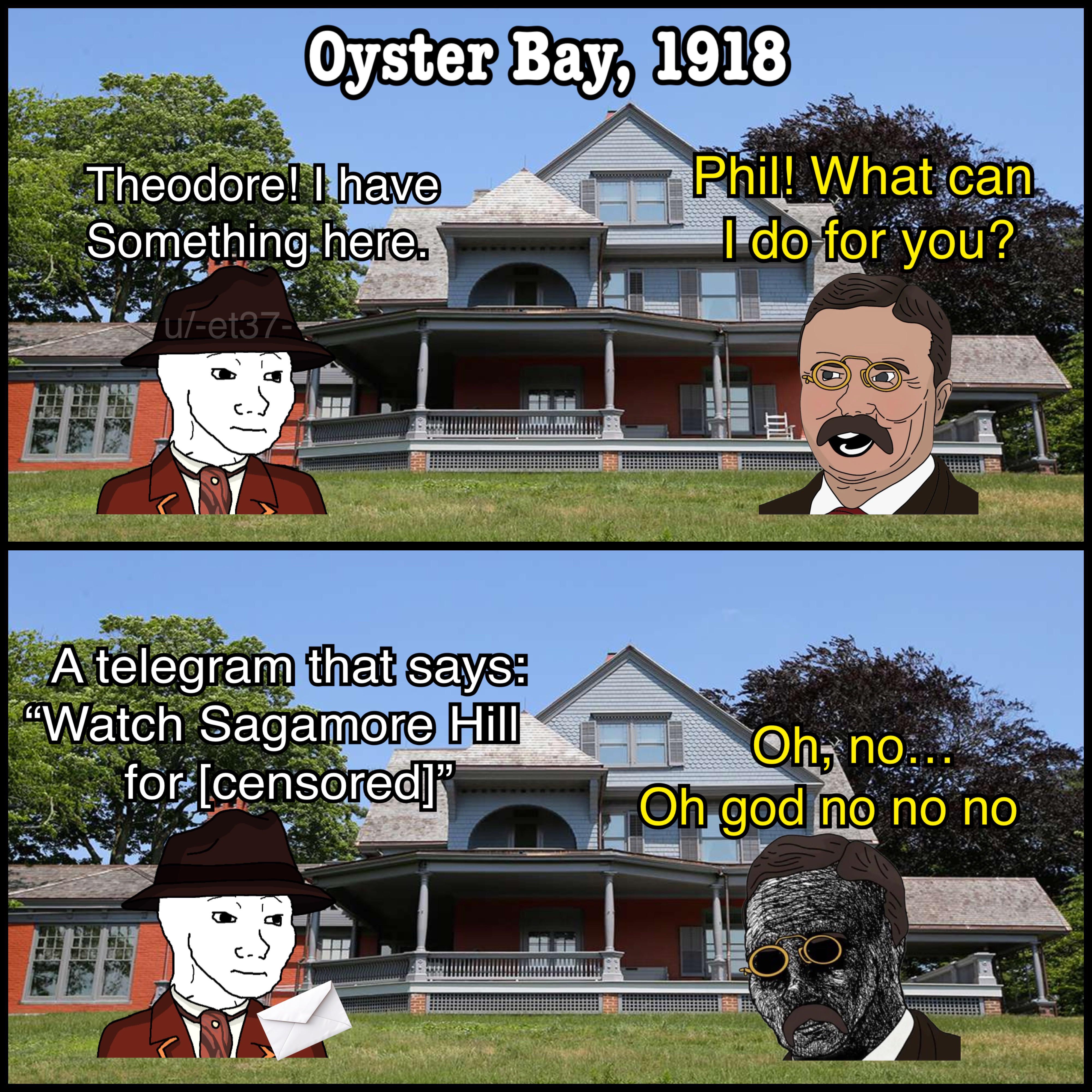
Aerial combat was indeed intoxicating-and deadly. Within a week of the receipt of Quentin’s thrilling news of downing a German air-craft, an opposite and appalling report arrived at Sagamore Hill. The first inkling came indirectly, in fact accidentally. Roosevelt was sitting in his library in the late afternoon of July 16 when a reporter friend, Phil Thompson of the Associated Press, entered with a puzzled look on his face. He held a telegram addressed to the New York Sun, evidently from that paper’s overseas bureau, for it carried the marks of official censorship. “Watch Sagamore Hill for [censored],” the cable read. Thompson asked the former president if he knew what it meant. Roosevelt rose at once, went to the entrance of the library, looked into the hall, then turned back and quietly closed the door. “Something’s happened to one of the boys,” he said in a tight but controlled voice. He considered briefly which one it might be. Archie was recovering from his wound; it couldn’t be him. Ted had taken a whiff of gas and been slightly shrapnelled; he, too, must still be on the sidelines. Kermit hadn’t reached the front in his sector yet. It had to be Quentin.
Roosevelt told Thompson not to say a word to anyone, especially Mrs. Roosevelt, until further news arrived. All the rest of that day Roosevelt kept his grim surmise to himself. He changed his knickers and work shirt for his customary dinner jacket, and spent the evening chatting with Edith and reading. But he couldn’t keep his mind on his book—and Edith apparently sensed his distraction, for she neglected to make her usual entry in her diary that night. The next morning, shortly after breakfast, Thompson drove back up the hill from Oyster Bay. The reporter didn’t have to say a word: Roosevelt could tell from his look that the news was bad. He took Thompson out to the piazza where they might speak alone. reporter succinctly explained that Quentin’s plane had engaged two German fighters and been shot down behind enemy lines.
Though he had been expecting it, the report still staggered the father. Yet his first thought was for Edith. “But—Mrs. Roosevelt!” he said, pacing back and forth across the piazza. “How am I going to break it to her?”
The worst of it was, he didn’t know just what to tell Edith. Quentin was down-that was all the report said. He might have survived the crash; men did. There was still reason to hope. Roosevelt gathered his emotions and went inside. For half an hour he and Edith consoled each other, seeking the scattered beams that shone through this cloud. For the next three days Roosevelt and Edith remained in the limbo of uncertainty. As agonizing as not knowing was, it was nothing new to Edith. She had been rehearsing this moment ever since that day in 1898 when Theodore had gone off to war. Her fears had lifted somewhat when they left the White House, only to return redoubled when Theodore was shot in 1912. But perhaps because she was a mother, perhaps because she had been anticipating these emotions for decades, she focused on her husband. As she emerged from the house on that first black morning, her eyes wet with tears, she took Thompson aside. “We must do everything we can to help him,” she said. “The burden must not rest entirely on his shoulders.”
Source: T.R., The Last Romantic, pages 796-798
EnamelKant on
In peace the sons bury their fathers, but in war the fathers bury their sons.
Devonchannel on
How did he know what the telegram was for? I read the context but still didnt understand that part
hot_pancake_10 on
He finally felt what he had done to thousands of fathers and mothers.
InquisitorHindsight on
Fun fact: Initially German propaganda circulated images of his crashed plane, but this backfired as the idea of a son of the president (even a former one) was willing to put himself in harms way impressed many German soldiers and citizens.
AgreeablePie on
Try to imagine the sons of the current president serving in combat in modern times
BurritoGoat on
“Quentin occupied a special place in Roosevelt’s heart” juxtaposed with “‘I have had to give him a severe whipping – the first real whipping I have ever had to give one of my children'” is…interesting. Combined with the fact that apparently Teddy was worried Quentin was “soft” and couldn’t hang with the “rough and tumble” kids.
I wonder what Theodore’s justification was for giving the worst beating to his “softest” child. Obviously attitudes towards parenting, corporal punishment, and masculinity have changed since then. I still find it weird.
FrankfromRhodeIsland on
Quentin Roosevelt was buried with full military honors by the German Army. Initially, some in the German High Command were excited about the news, hoping that it would damage morale for the Entente and raise it for the Germans. However, it had the opposite effect. Most German soldiers respected that the former president had allowed his son to fight and share in the same risks that they themselves did every day compared to how many aristocratic and noble families were sheltered from the danger of the frontlines due to their station. German newspapers and communications shared similar sentiments expressing admiration and respect for Quentin as a brave and honorable opponent.

8 Comments
In May, Quentin wrote with great news: “I’ve gotten my first real excitement on the front, for I think I got a Boche.” As it turned out, this downing couldn’t be confirmed; but another, in July, was. Roosevelt could hardly contain his pride and joy in his youngest. “The last of the ‘lion’s brood’ has been blooded!” Quentin occupied a special spot in Roosevelt’s heart. As a boy he had hardly been what his father envisioned in a son—and what Ted, for example, tried so hard to be. “I wish Quentin could hold his own better in a rough and tumble with other boys,” Roosevelt worried to Archie when Quentin was ten. “He seems a little soft.” And he was always up to some devilment. Roosevelt described having to steal time from his presidential duties to chide Quentin and accomplices for bombarding the portraits in the White House with spitballs. “I explained to them that they had behaved like boors; that it would have been a disgrace to have behaved so in any gentleman’s house, but that it was a double disgrace in the house of the Nation.”
At least once Quentin was caught cutting school and lying to cover his absence. “I have had to give him a severe whipping— the first real whipping I have ever had to give one of my children.” On good days Roosevelt called Quentin a “blessed rogue”; on other occasions a
“regular alley-cat.” In the latter mood, Roosevelt confessed that the boy caused Edith and himself “a great deal of concern.” But time took some of the wildness out of the boy—and much of the pudginess as well. “Quentin turned up last night,” Roosevelt wrote at Christmas 1911. “He is half-an-inch taller than I am, and is in great shape. He is much less fat than he was, and seems to be turning out right in every way.” He kept improving until the coming of the war, when his enlistment in the air corps caused his father to forgive any youthful indiscretions still on the books. Roosevelt had ridden in an airplane in 1910 and could appreciate what his son was feeling as he soared above the French countryside in search of the foe. The father had found fighting afoot to be intoxicating; fighting in the air must be even more so.
Aerial combat was indeed intoxicating-and deadly. Within a week of the receipt of Quentin’s thrilling news of downing a German air-craft, an opposite and appalling report arrived at Sagamore Hill. The first inkling came indirectly, in fact accidentally. Roosevelt was sitting in his library in the late afternoon of July 16 when a reporter friend, Phil Thompson of the Associated Press, entered with a puzzled look on his face. He held a telegram addressed to the New York Sun, evidently from that paper’s overseas bureau, for it carried the marks of official censorship. “Watch Sagamore Hill for [censored],” the cable read. Thompson asked the former president if he knew what it meant. Roosevelt rose at once, went to the entrance of the library, looked into the hall, then turned back and quietly closed the door. “Something’s happened to one of the boys,” he said in a tight but controlled voice. He considered briefly which one it might be. Archie was recovering from his wound; it couldn’t be him. Ted had taken a whiff of gas and been slightly shrapnelled; he, too, must still be on the sidelines. Kermit hadn’t reached the front in his sector yet. It had to be Quentin.
Roosevelt told Thompson not to say a word to anyone, especially Mrs. Roosevelt, until further news arrived. All the rest of that day Roosevelt kept his grim surmise to himself. He changed his knickers and work shirt for his customary dinner jacket, and spent the evening chatting with Edith and reading. But he couldn’t keep his mind on his book—and Edith apparently sensed his distraction, for she neglected to make her usual entry in her diary that night. The next morning, shortly after breakfast, Thompson drove back up the hill from Oyster Bay. The reporter didn’t have to say a word: Roosevelt could tell from his look that the news was bad. He took Thompson out to the piazza where they might speak alone. reporter succinctly explained that Quentin’s plane had engaged two German fighters and been shot down behind enemy lines.
Though he had been expecting it, the report still staggered the father. Yet his first thought was for Edith. “But—Mrs. Roosevelt!” he said, pacing back and forth across the piazza. “How am I going to break it to her?”
The worst of it was, he didn’t know just what to tell Edith. Quentin was down-that was all the report said. He might have survived the crash; men did. There was still reason to hope. Roosevelt gathered his emotions and went inside. For half an hour he and Edith consoled each other, seeking the scattered beams that shone through this cloud. For the next three days Roosevelt and Edith remained in the limbo of uncertainty. As agonizing as not knowing was, it was nothing new to Edith. She had been rehearsing this moment ever since that day in 1898 when Theodore had gone off to war. Her fears had lifted somewhat when they left the White House, only to return redoubled when Theodore was shot in 1912. But perhaps because she was a mother, perhaps because she had been anticipating these emotions for decades, she focused on her husband. As she emerged from the house on that first black morning, her eyes wet with tears, she took Thompson aside. “We must do everything we can to help him,” she said. “The burden must not rest entirely on his shoulders.”
Source: T.R., The Last Romantic, pages 796-798
In peace the sons bury their fathers, but in war the fathers bury their sons.
How did he know what the telegram was for? I read the context but still didnt understand that part
He finally felt what he had done to thousands of fathers and mothers.
Fun fact: Initially German propaganda circulated images of his crashed plane, but this backfired as the idea of a son of the president (even a former one) was willing to put himself in harms way impressed many German soldiers and citizens.
Try to imagine the sons of the current president serving in combat in modern times
“Quentin occupied a special place in Roosevelt’s heart” juxtaposed with “‘I have had to give him a severe whipping – the first real whipping I have ever had to give one of my children'” is…interesting. Combined with the fact that apparently Teddy was worried Quentin was “soft” and couldn’t hang with the “rough and tumble” kids.
I wonder what Theodore’s justification was for giving the worst beating to his “softest” child. Obviously attitudes towards parenting, corporal punishment, and masculinity have changed since then. I still find it weird.
Quentin Roosevelt was buried with full military honors by the German Army. Initially, some in the German High Command were excited about the news, hoping that it would damage morale for the Entente and raise it for the Germans. However, it had the opposite effect. Most German soldiers respected that the former president had allowed his son to fight and share in the same risks that they themselves did every day compared to how many aristocratic and noble families were sheltered from the danger of the frontlines due to their station. German newspapers and communications shared similar sentiments expressing admiration and respect for Quentin as a brave and honorable opponent.