
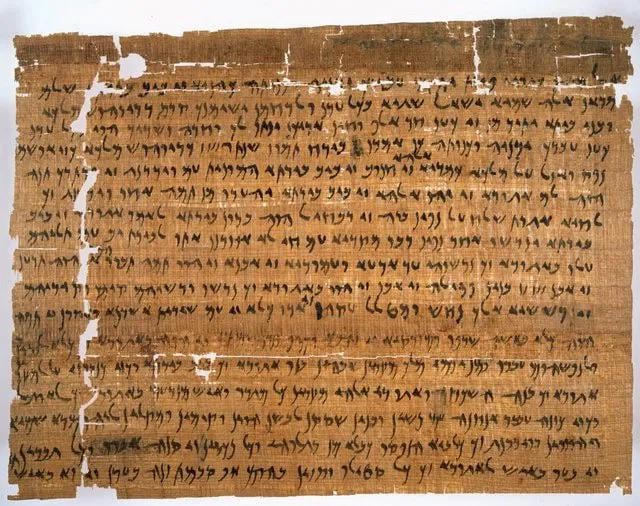
The Passover letter, written in ancient Aramaic, is one of several documents discovered in Elephantine that detail Jewish life in the 5th century BCE. During this period, the Jews were part of a military colony stationed in southern Egypt under Persian rule. They even built their own temple dedicated to Yahweh, alongside shrines for other deities, influenced by Egyptian culture.
This letter was written by Hananiah, an official residing in Judah who was associated with the Persian governor of Judah, Bagohi (also known as Bagoas). It is addressed to the Jewish garrison at Elephantine. In this letter, Hananiah provides instructions for properly observing Passover. He specifies that they should refrain from work on the 15th and 21st days of the month and prohibits the consumption of beer. Additionally, he instructs them not to eat unleavened bread from sunset on the 14th of Nisan until sunset on the 21st. This document illustrates that Jewish communities located far from Jerusalem were still in contact with authorities in the Persian province of Judah and sought guidance on religious practices.
by Chinoyboii
2 Comments
Firstly, incredibly well-preserved document. Excellent. I also often forget how old Persia’s presence in Egypt/Levant/Anatolia is.
I wonder how much Aramaic would have changed, if at all, by the time of Jesus? Would people in coastal Roman Palestina be able to read this no problem?
Wow, I find this amazing