
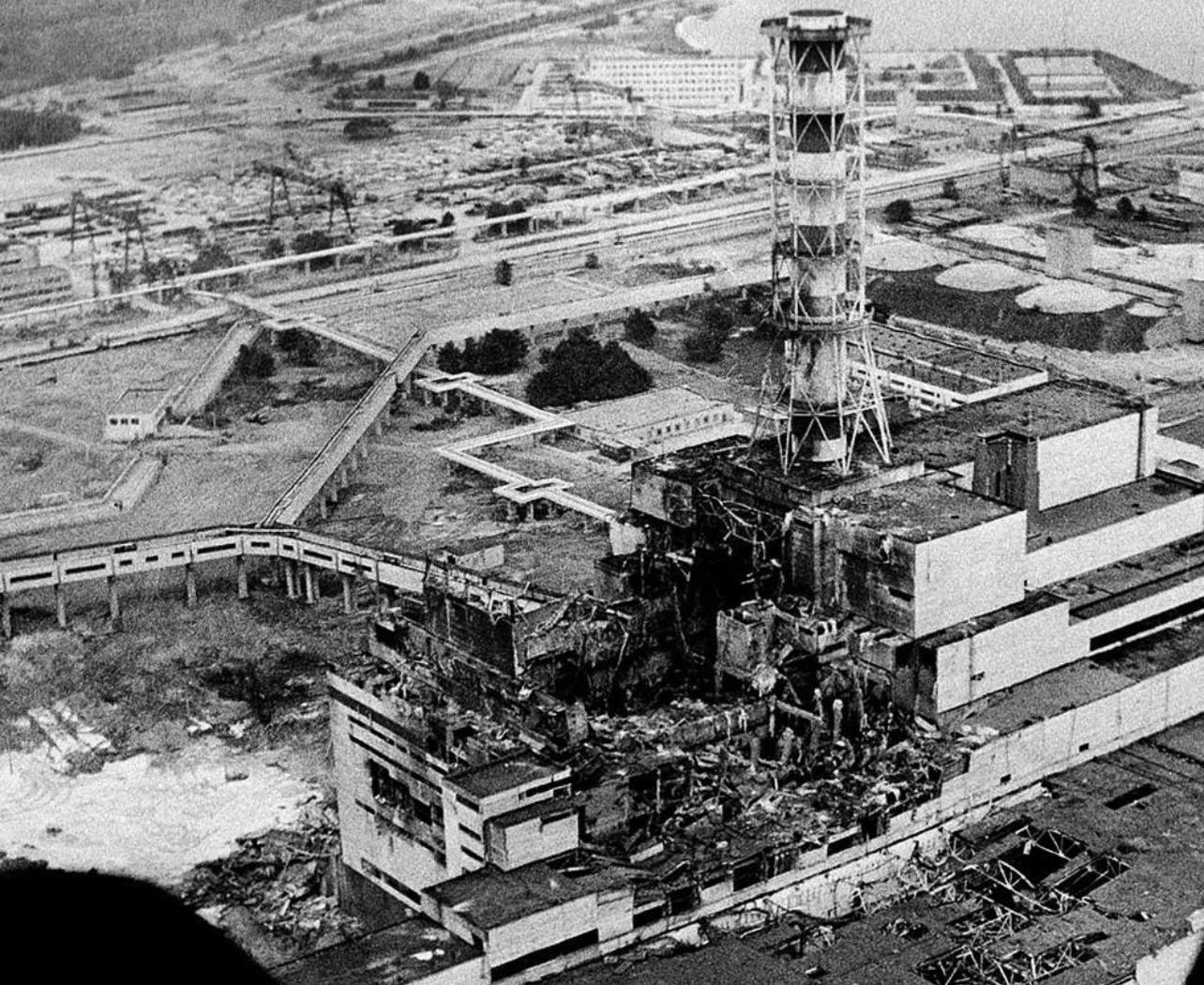
A safety test was scheduled for the day shift of April 25 during a planned shutdown at the Chernobyl Nuclear Power Plant. The test was supposed to start at 2:45 PM, but due to factors outside the plant’s control, it was delayed. The reactor sat in a half-reduced, unstable state for hours as the day shift handed off to the evening shift.
It wasn’t until 11:03 PM that the grid controller finally allowed the test to resume. By then, the evening shift was wrapping up. What was meant to be a controlled daytime procedure was now pushed onto the night shift, with little time to prepare.
The goal of the test was simple: if the plant lost external power, could the turbines, as they spun down, generate enough residual electricity to keep critical systems, especially coolant pumps, running until backup generators kicked in?
But the long delay had already destabilized the reactor. Its power dropped too low, entering a dangerous state. Instead of shutting it down, operators attempted to raise power again by withdrawing control rods, pushing the reactor further into instability. Several safety systems remained disabled throughout.
At 1:23 AM on April 26, the test began. Steam to the turbines was cut, and as they slowed, the flow of cooling water decreased. Inside the core, water turned to steam, creating “voids.” In the RBMK reactor design, that didn’t slow the reaction, it accelerated it. Power began to surge.
Realizing something was wrong, the emergency shutdown button, AZ-5, was pressed. But instead of stopping the reaction, it made things worse. Due to a design flaw, the graphite-tipped control rods briefly increased reactivity as they entered the core. In an already unstable reactor, that spike was catastrophic.
Seconds later, a massive steam explosion tore through the reactor. The core was blown apart. Pipes ruptured, fuel channels shattered, and superheated water flashed instantly to steam. Almost immediately, a second, more powerful explosion, estimated at roughly 225 tons of TNT, ripped the reactor open to the night air. The exact cause of this second blast is debated.
Burning graphite and reactor debris were hurled onto nearby buildings, igniting fires across the site. With the reactor exposed, air rushed in, fueling the blaze and carrying radioactive material high into the atmosphere.
One worker, Aleksandr Yuvchenko, later described looking up and seeing a “very beautiful” beam of blue light, a column of ionized air glowing as radiation poured into the night.
Two men died in the immediate aftermath. Twenty-eight more died within weeks from acute radiation syndrome, many in extreme pain. The long-term death toll from radiation exposure remains uncertain and heavily debated.
Over 100,000 people were evacuated and resettled. The exclusion zone still surrounds the abandoned city of Pripyat to this day.
The environmental consequences were enormous. The Soviet response was widely criticized for secrecy and delay, while the disaster itself exposed critical flaws in the RBMK reactor design, compounded by procedural failures and human error.
The cost placed enormous strain on the Soviet Union and helped accelerate its decline.
If you’re interested, I cover the full story here: https://open.substack.com/pub/aid2000/p/hare-brained-history-vol-88-the-chornobyl?r=4mmzre&utm_medium=ios
by aid2000iscool
5 Comments
This event will forever fascinate me
People don’t call Eswatini “Swaziland” anymore, and they don’t call Mumbai “Bombay” as well. Why do people still use Russian transliteration “Chernobyl” instead on Ukrainian “Chornobyl” knowing it’s the same form of linguistic imperialism?
They said correct spelling should be “Chornobyl”
Don’t you mean the Vladimir I. Lenin Nuclear Power Station
Worst *man made* nuclear disaster in history