
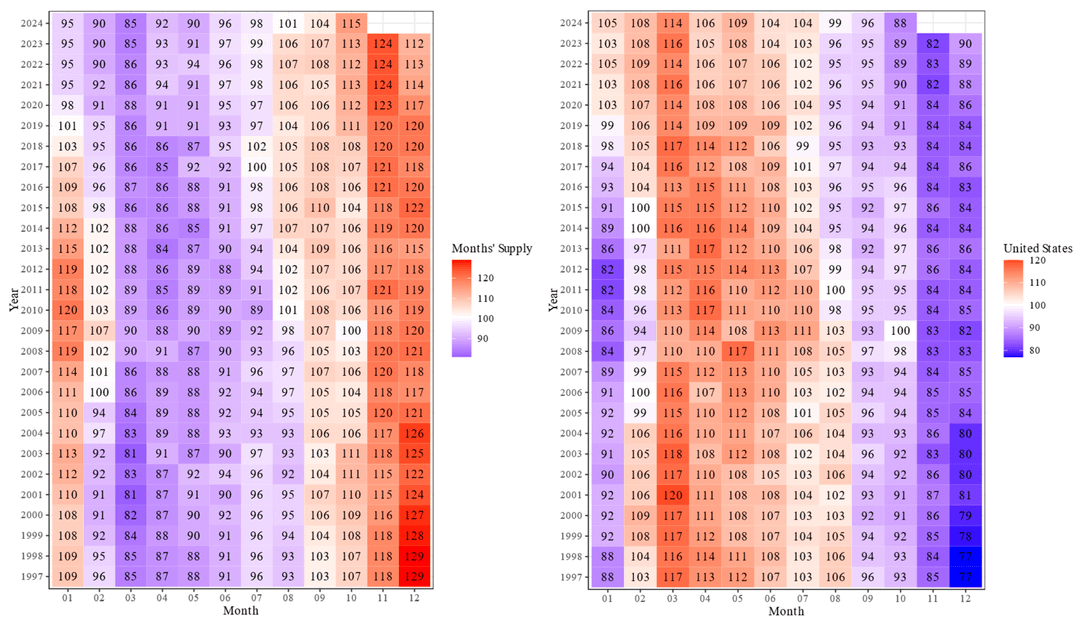
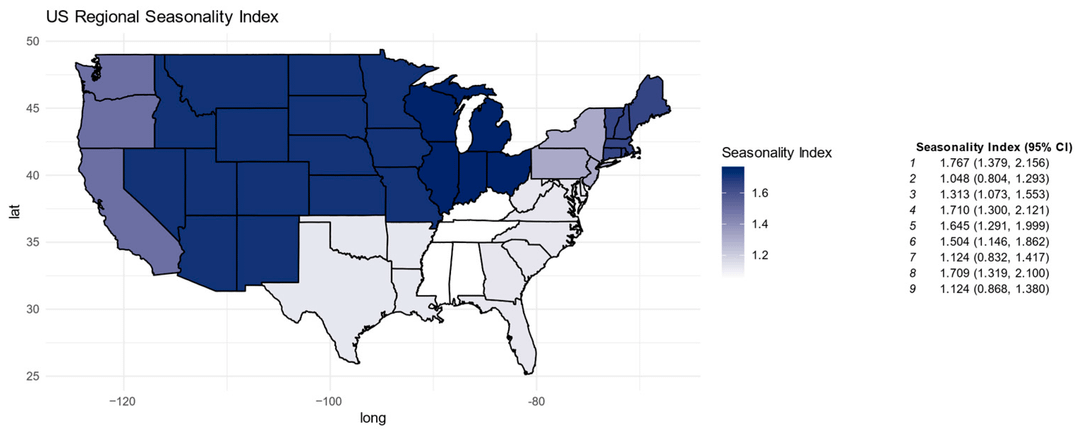
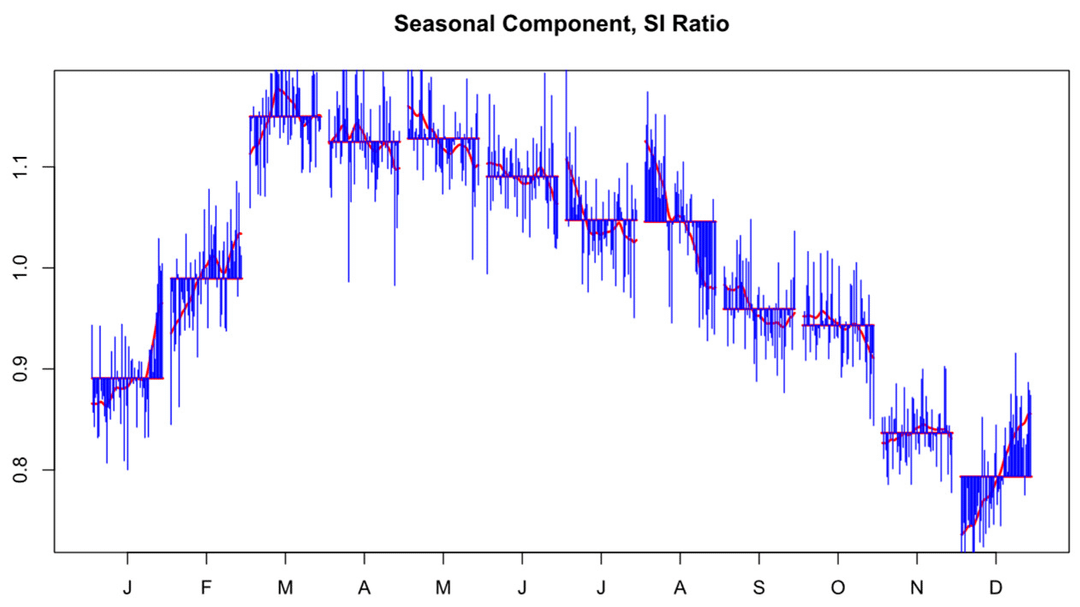
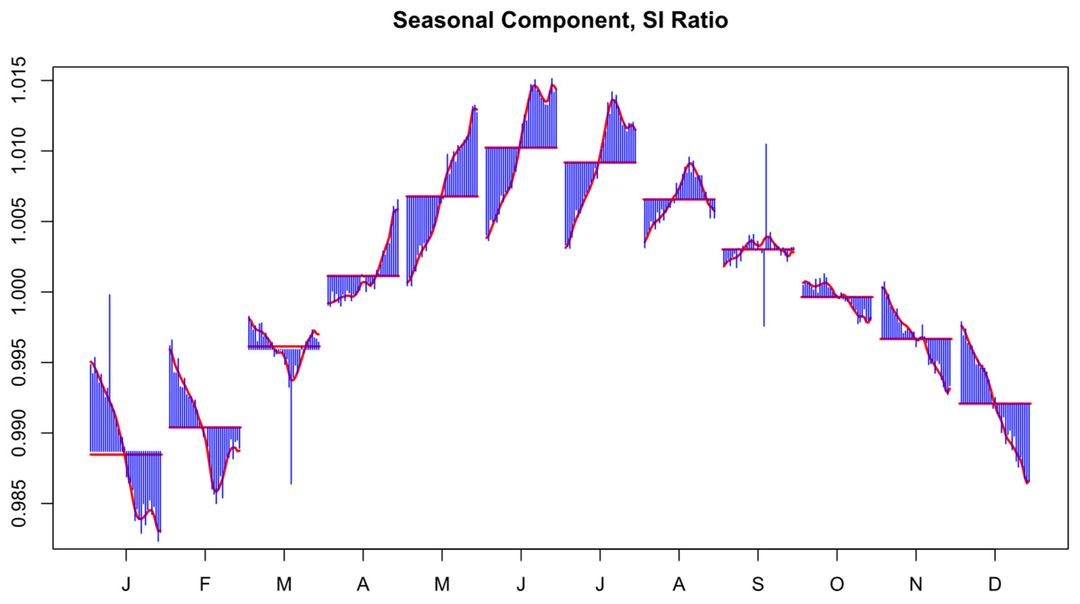
Seasonal patterns in the U.S. housing market have shifted after the COVID-19 pandemic, with earlier peaks, amplified fluctuations, and notable regional differences (especially stronger in colder climates).
DOI: 10.3390/realestate2040022
Full research article (open access): https://www.mdpi.com/2813-8090/2/4/22
Hi,
A new open-access study published in *Real Estate* (2025) examines how the COVID-19 pandemic altered seasonal patterns in the U.S. housing market:
**Seasonality in the U.S. Housing Market: Post-Pandemic Shifts and Regional Dynamics**
by Yihan Hu (University of Cambridge) and Yifei Huang(UCL)
Using Housing Price Index, inventory, and sales data from 1991–2024, the authors applied X-13ARIMA-SEATS seasonal decomposition and statistical tests. Key findings:
• Seasonal peaks shifted earlier (now March–April instead of traditional spring-summer)
• Amplified seasonal amplitude post-pandemic
• Strong regional heterogeneity — colder climates show more pronounced fluctuations
• Prices and sales volumes move in-phase, suggesting “thick-market” momentum
These insights are valuable for policymakers, realtors, investors, and anyone tracking post-pandemic economic recovery and housing dynamics.
Curious to hear the community’s thoughts:
– Have you noticed these earlier seasonal peaks in your local housing market?
– How should forecasting models adapt to these post-COVID shifts?
– What role do climate and regional factors play in housing seasonality?
Would love input from economists, real estate professionals, data analysts, and public health researchers interested in pandemic impacts!
#HousingMarket #RealEstate #PostPandemic #Seasonality #Economics #DataScience
by PoetDry4080
1 Comment
I bought a home in January before selling one in July, almost completely because of my knowledge of this trend — the difference in prices for the two transactions more than covered the cost of carrying two mortgages for six months (and it made the 1000-mile move easier, too).