
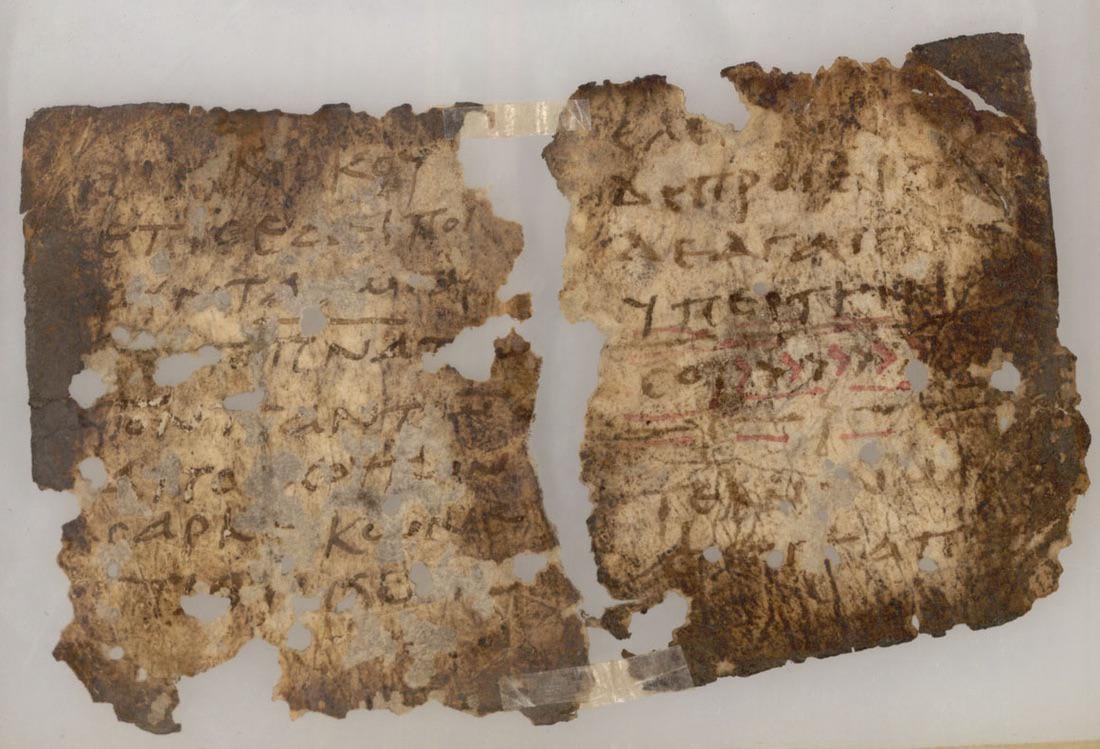
The Didache, also known as "The Teaching of the Twelve Apostles," is an early Christian text believed to have been written in the late 1st or early 2nd century. It serves as a manual that outlines ethical teachings and community practices for believers. The text begins with a moral framework known as "The Two Ways," where it contrasts the path of life, marked by love, humility, and truth, with the path of death, filled with sin and selfishness. This sets the tone for the importance of living a life rooted in love and ethical conduct.
In addition to moral guidance, the Didache details various rituals and community structures. It provides instructions on baptism, engaging in baptism when possible, and outlines how to celebrate the Eucharist with gratitude. The text also addresses the roles of religious leaders and stresses the need for hospitality and support for the poor. Lastly, it gives insights into end times, encouraging vigilance among believers.
The Didache offers a nuanced perspective on Jews and Gentiles in the early Christian context, acknowledging their distinct backgrounds while promoting unity within the faith. It recognizes the Jewish roots of Christianity by incorporating elements of Jewish law and practices, demonstrating respect for those traditions. At the same time, it addresses Gentile believers directly, providing them with specific ethical guidelines and rituals that are accessible and relevant to their non-Jewish background.
Although this discovery likely occurred before the finalization of the biblical canon, it was ultimately excluded from the Bible due to the early church fathers' perception of its apocryphal nature. They deemed it unworthy of inclusion because it lacked the thorough theological framework and doctrinal clarity that characterized the texts accepted into the canon. These early leaders prioritized writings that directly supported their established beliefs and teachings, leading to the omission of the Didache, which they considered less aligned with the core tenets of Christian theology.
by Chinoyboii
2 Comments
Both the Septuagint and New Testament were Greek original Hellenistic texts;
https://www.youtube.com/live/-gJyOl-Bd4w?si=irhK6mh4yl4ZYl9z
The gaslighting was cranked up to 11 by the *”early church fathers”* (cringe), and has stayed that was ever since – please by G*d don’t deny it. The Didache could magnanimously be considered a pragmatic guide on how to live, worship, and organize communities. To exclude that while canonizing letters full of infighting and seething polemic… what could that say about those *”church fathers”*? Could their priority have been consolidating power, not cultivating diversity or tolerance? Pikachu is shocked! This puff piece post would like you to believe in the decency of religion-building when it’s pure hate all the way down and it’s 2025 we see through all of it and all the way back.