
In 1812, Mount Tambora, a 13,000-foot stratovolcano on the island of Sumbawa in modern-day Indonesia, began to stir. For the roughly 10,000 people living in its shadow, it must have felt both unsettling and unfamiliar. The volcano had been dormant for over a millennium.
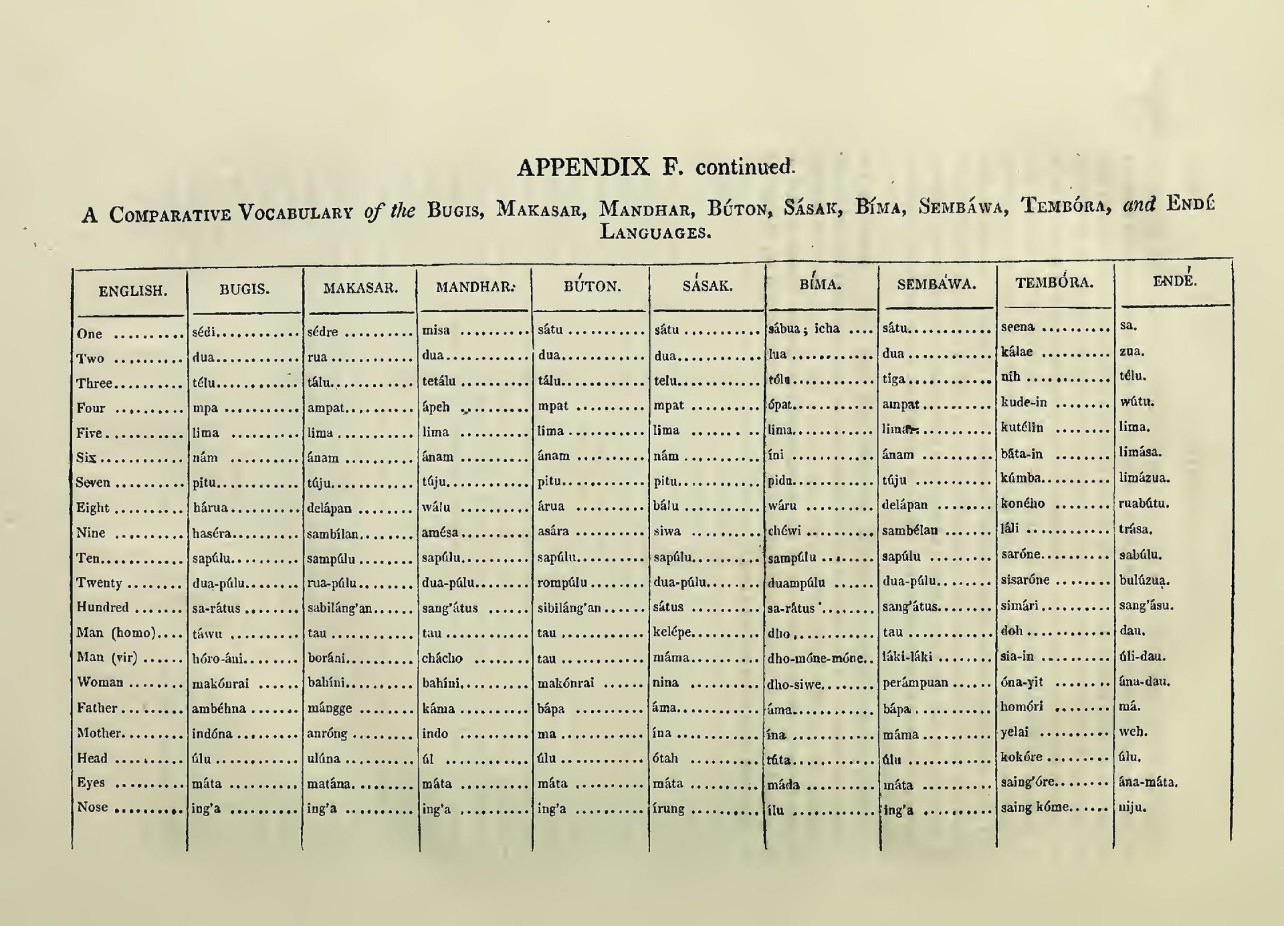
These weren’t isolated or “primitive” people. They were seafarers, trading with Java, Bali, and even European merchants. They lived inland in wooden and bamboo homes, cultivated rice, mung beans, and maize, and used ceramic pots, bronze bowls, glass bottles, and iron tools. Their language appears to have been an isolate, completely unrelated to any other known language, possibly a remnant from before Austronesian peoples spread across the region.
For nearly three years, Tambora simmered. Elsewhere across the Pacific, volcanoes erupted in scattered succession. Then, on April 5th, 1815, the illusion of calm ended.
A massive explosion tore through the mountain. The sound carried at least 870 miles, possibly the loudest in recorded history. In Batavia (modern Jakarta), Sir Stamford Raffles wrote:
“The noise was almost universally attributed to distant cannon.”
For four days, the volcano rumbled, blanketing the region in suffocating ash. Then, on the evening of April 10th, it happened.
Colossal plumes of ash and smoke shot nearly 25 miles into the sky. Explosions ripped the mountain apart. Pyroclastic flows,superheated avalanches of gas, ash, and rock,raced down the slopes at over 100 mph, erasing entire communities in minutes. Tsunamis struck nearby islands.
In total, about 10 cubic miles (41 cubic kilometers) of material,roughly 10 billion tons, was ejected. Around 10,000–11,000 people died in the immediate eruption, with thousands more killed by tsunamis.
But the worst was still to come. Ash spread across vast distances, but finer particles and sulfur dioxide reached the stratosphere, forming a global veil of sulfate aerosols. These reflected sunlight back into space, cooling the planet.
In 1816, the world experienced the “Year Without a Summer.” Snow fell in June. Crops failed. Rivers froze out of season. Food shortages spread across Europe and North America. These conditions also helped fuel disease outbreaks, including the first global cholera pandemic.
And the people of Tambora?
They were almost completely lost to history. Their culture, their language, gone. It wasn’t until 2004 that archaeological work uncovered evidence of their existence. One of the only written traces comes from Stamford Raffles’ 1817 History of Java, which preserves a handful of words from the Tambora language.
If you’re interested, I wrote a deeper dive on the eruption here: https://open.substack.com/pub/aid2000/p/hare-brained-history-vol-83-the-eruption?r=4mmzre&utm\_medium=ios
by aid2000iscool