Liu Bang was born to a peasant family and was a minor law enforcement officer in 3rd century BC China. He was the sheriff of a village and very charismatic, well liked by most people who met him, and he even charmed his way into marrying the gentry.
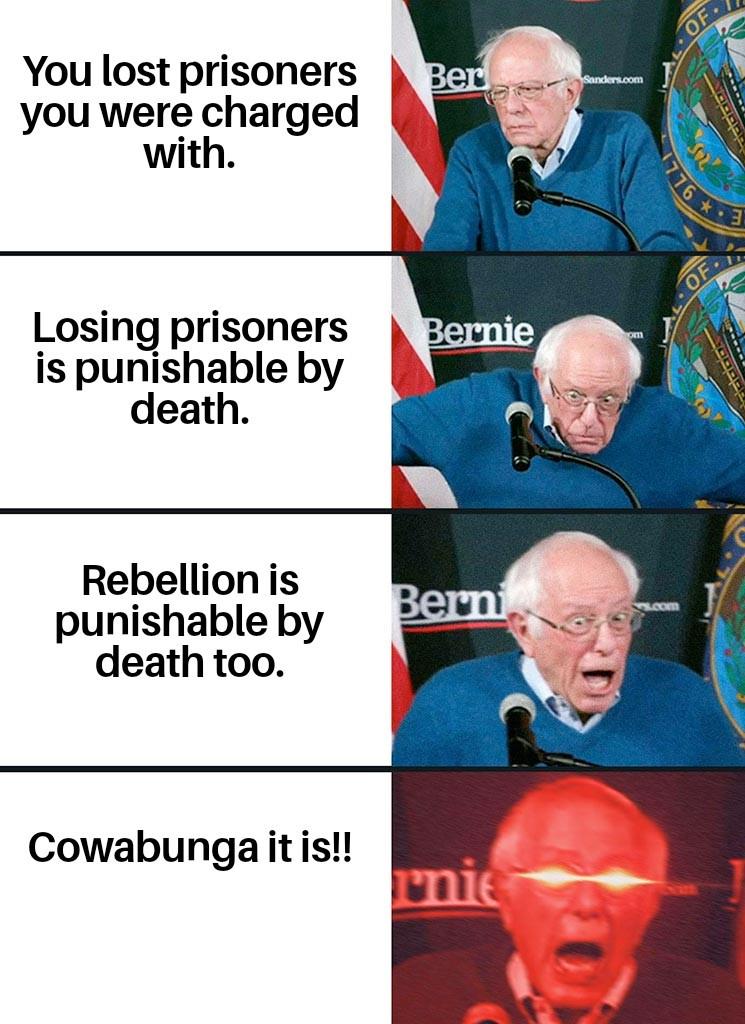
While escorting some penal laborers, several of them escaped. Under Qin law, Liu Bang was guilty of a capital offense and knew he would be executed. He therefore freed the remaining prisoners, who liked him and recognized him as their leader, and they took over an abandoned fortress.
Things spiraled out of control and ten years later he was the Emperor and the founder of the Han dynasty.
Moose-Rage on
“Why do the peasants keep rebelling?” asked China, who constantly created conditions where the peasants felt like they had nothing left to lose and chose rebellion.
Absurder222 on
And he allied with the leaders of Shu who were rebelling because *checks notes* they were also going to be executed for being an hour late to meeting up for a military position.
Meanwhile, at Xianyang/Chang’an: “Yeah but like is dis a horse tho?????
GonePostalRoute on
Crazy how there are a bunch of stories from ancient China where it’s always “such and such broke a rule that meant death, so fuck it, let’s roll and revolt”.
fringeguy52 on
Did the exact same thing happen except the guy was going to be late to a muster call so he said fuck it and rebelled because the punishment was the same? lol
thunderdragonite on
I don’t care about whatever liberal drivel propaganda the elites spam on Reddit.
Corruption in all forms should carry the death penalty. Pedophilia should carry the death penalty. Bring back the guillotine.
coriolis7 on
Losing prisoners being a capital offense was not unique to China. It was also the case for Roman soldiers and jailers. It makes sense that you would want your guards to do everything possible to keep prisoners from escaping, but of course there are unintended consequences.
Real question is did Liu Bang change the whole “losing prisoners is punishable by death” thing in place after he became emperor, or even while he was a rebel leader?
SuperiorCamel on
As a Reddit comment once said…”When you mess your job so bad that the only option for recourse is to overthrow the government.”
Hironymos on
This is fucking epic and I’m going to yoink this for my D&D campaign.

10 Comments
Context –
Liu Bang was born to a peasant family and was a minor law enforcement officer in 3rd century BC China. He was the sheriff of a village and very charismatic, well liked by most people who met him, and he even charmed his way into marrying the gentry.
While escorting some penal laborers, several of them escaped. Under Qin law, Liu Bang was guilty of a capital offense and knew he would be executed. He therefore freed the remaining prisoners, who liked him and recognized him as their leader, and they took over an abandoned fortress.
Things spiraled out of control and ten years later he was the Emperor and the founder of the Han dynasty.
“Why do the peasants keep rebelling?” asked China, who constantly created conditions where the peasants felt like they had nothing left to lose and chose rebellion.
And he allied with the leaders of Shu who were rebelling because *checks notes* they were also going to be executed for being an hour late to meeting up for a military position.
Meanwhile, at Xianyang/Chang’an: “Yeah but like is dis a horse tho?????
Crazy how there are a bunch of stories from ancient China where it’s always “such and such broke a rule that meant death, so fuck it, let’s roll and revolt”.
Did the exact same thing happen except the guy was going to be late to a muster call so he said fuck it and rebelled because the punishment was the same? lol
I don’t care about whatever liberal drivel propaganda the elites spam on Reddit.
Corruption in all forms should carry the death penalty. Pedophilia should carry the death penalty. Bring back the guillotine.
Losing prisoners being a capital offense was not unique to China. It was also the case for Roman soldiers and jailers. It makes sense that you would want your guards to do everything possible to keep prisoners from escaping, but of course there are unintended consequences.
Real question is did Liu Bang change the whole “losing prisoners is punishable by death” thing in place after he became emperor, or even while he was a rebel leader?
As a Reddit comment once said…”When you mess your job so bad that the only option for recourse is to overthrow the government.”
This is fucking epic and I’m going to yoink this for my D&D campaign.
Cowbunga within, cowabunga without