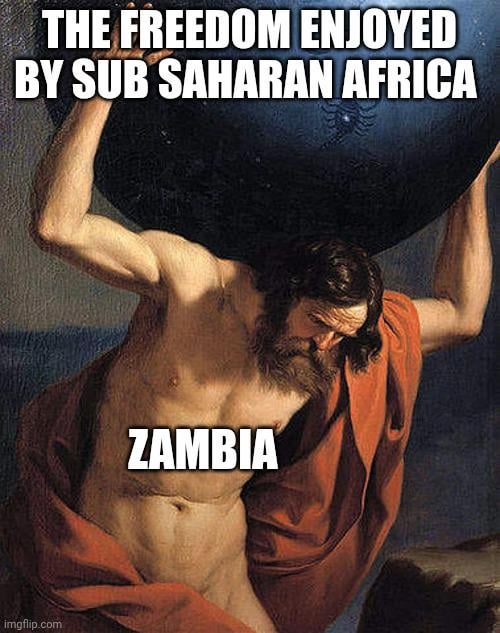
After the nation of Zambia gained its independence from colonial rule in the year 1964, our leader Kenneth Kaunda declared that Zambian independence meant nothing if our neighbours were still colonised or (in the case of South Africa) under oppressive white minority rule. To work towards this goal he tried diplomacy to push for South Africa to be sanctioned as well as Rhodesia and the Portuguese colonies. When that didn’t work Zambia became a base for anti-colonial and anti-Apartheid movements, being a safe haven for leaders like Oliver Tambo and Joe Slovo from South Africa. Robert Mugabe and Joshua Nkomo from Zimbabwe; and Sam Nujoma from Namibia. At the same time, Zambia became a base for training guerrillas who fought in Mozambique, Angola, and Zimbabwe against colonial rule. Parts of Zambia were even bombed by Rhodesia and Apartheid Agents tried to assassinate leaders hiding in Zambia. In 1978 South Africa did a raid in Chikumbi which resulted in hundreds of deaths. But it all paid off in the end. Mozambique Mozambique and Angola became black ruled in 1975 with Zimbabwe following in 1980. Namibia became free in 1991 and lastly South Africa became free in 1994.
LastEsotericist on
Every time you read about Mozambique or Rhodesia in the period you hear about Zambia pulling its weight as the most functional post-colonial state in a region of basket cases like the Congo and continuing colonial projects like the Portuguese or the two Apartheid states.
Subsaharan here is basically sub-Congo here because Zambia afaik didn’t have much influence on events happening to the north, even as close as the Great Lakes even though they do border a couple of them. Tanzania, Rwanda, Uganda and them always seem to be doing their own thing. I suppose it’s to Zambia’s credit they don’t make it into the history books for getting involved in messy wars against their neighbors but instead for remaining focused on the threat of imperialism.

2 Comments
After the nation of Zambia gained its independence from colonial rule in the year 1964, our leader Kenneth Kaunda declared that Zambian independence meant nothing if our neighbours were still colonised or (in the case of South Africa) under oppressive white minority rule. To work towards this goal he tried diplomacy to push for South Africa to be sanctioned as well as Rhodesia and the Portuguese colonies. When that didn’t work Zambia became a base for anti-colonial and anti-Apartheid movements, being a safe haven for leaders like Oliver Tambo and Joe Slovo from South Africa. Robert Mugabe and Joshua Nkomo from Zimbabwe; and Sam Nujoma from Namibia. At the same time, Zambia became a base for training guerrillas who fought in Mozambique, Angola, and Zimbabwe against colonial rule. Parts of Zambia were even bombed by Rhodesia and Apartheid Agents tried to assassinate leaders hiding in Zambia. In 1978 South Africa did a raid in Chikumbi which resulted in hundreds of deaths. But it all paid off in the end. Mozambique Mozambique and Angola became black ruled in 1975 with Zimbabwe following in 1980. Namibia became free in 1991 and lastly South Africa became free in 1994.
Every time you read about Mozambique or Rhodesia in the period you hear about Zambia pulling its weight as the most functional post-colonial state in a region of basket cases like the Congo and continuing colonial projects like the Portuguese or the two Apartheid states.
Subsaharan here is basically sub-Congo here because Zambia afaik didn’t have much influence on events happening to the north, even as close as the Great Lakes even though they do border a couple of them. Tanzania, Rwanda, Uganda and them always seem to be doing their own thing. I suppose it’s to Zambia’s credit they don’t make it into the history books for getting involved in messy wars against their neighbors but instead for remaining focused on the threat of imperialism.