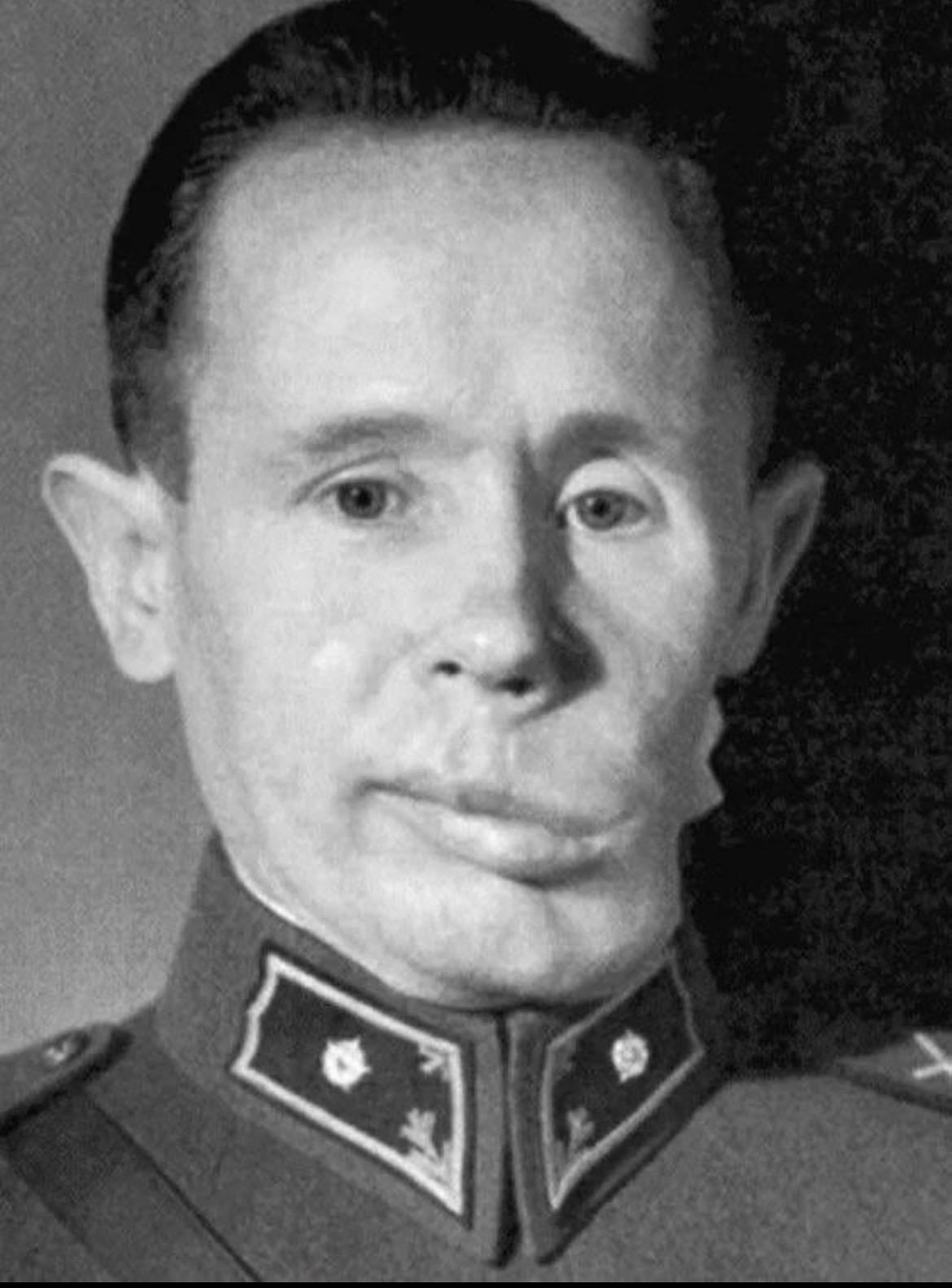
An image of the most lethal sniper in history, the White Death. It is estimated that Simo Häyhä killed more than 500 enemy soldiers during the winter conflict. (1940) [2000×3000]
An image of the most lethal sniper in history, the White Death. It is estimated that Simo Häyhä killed more than 500 enemy soldiers during the winter conflict. (1940) [2000×3000]
For anyone wondering: his chin was from an injury he sustained. In 1940, an explosive round disintegrated the side of his face and he was initially pronounced dead.
Upon realizing “oh hell he ain’t dead”, the Finns operated on him using a sample of bone from his hip to reshape his face. He ended up living a fairly long life, dying in 2002 at the age of 96.
isecore on
Later in his life, he was asked what he felt about his service during the war. He replied “I only did my duty, and what I was told to do as well as I could.”
Post-war he was known as a quiet, peaceful man who enjoyed spending time in nature. For a while he owned and worked a small farm. He never married or had children, and received some hate and threats due to his actions during the war. He suffered from loneliness and had trouble sleeping, what we today would call PTSD.
nahguri on
With iron sights. In freezing cold.
TonninStiflat on
Concidering who his commanding officer was and hownthe stats were collected… I’d say there’s plenty of air in the numbers.
Not that he was not effective at what he did, but propaganda do be propaganda.

4 Comments
For anyone wondering: his chin was from an injury he sustained. In 1940, an explosive round disintegrated the side of his face and he was initially pronounced dead.
Upon realizing “oh hell he ain’t dead”, the Finns operated on him using a sample of bone from his hip to reshape his face. He ended up living a fairly long life, dying in 2002 at the age of 96.
Later in his life, he was asked what he felt about his service during the war. He replied “I only did my duty, and what I was told to do as well as I could.”
Post-war he was known as a quiet, peaceful man who enjoyed spending time in nature. For a while he owned and worked a small farm. He never married or had children, and received some hate and threats due to his actions during the war. He suffered from loneliness and had trouble sleeping, what we today would call PTSD.
With iron sights. In freezing cold.
Concidering who his commanding officer was and hownthe stats were collected… I’d say there’s plenty of air in the numbers.
Not that he was not effective at what he did, but propaganda do be propaganda.