



So, I know in the past women's first names publicly disappeared when they married. So the "Christina" in "Christina Maltby" would be replaced with "Finnegan Maltby" with "Mrs." in front unless she divorced (sometimes widows got to keep their names but as a rule of thumb their first name is still private.
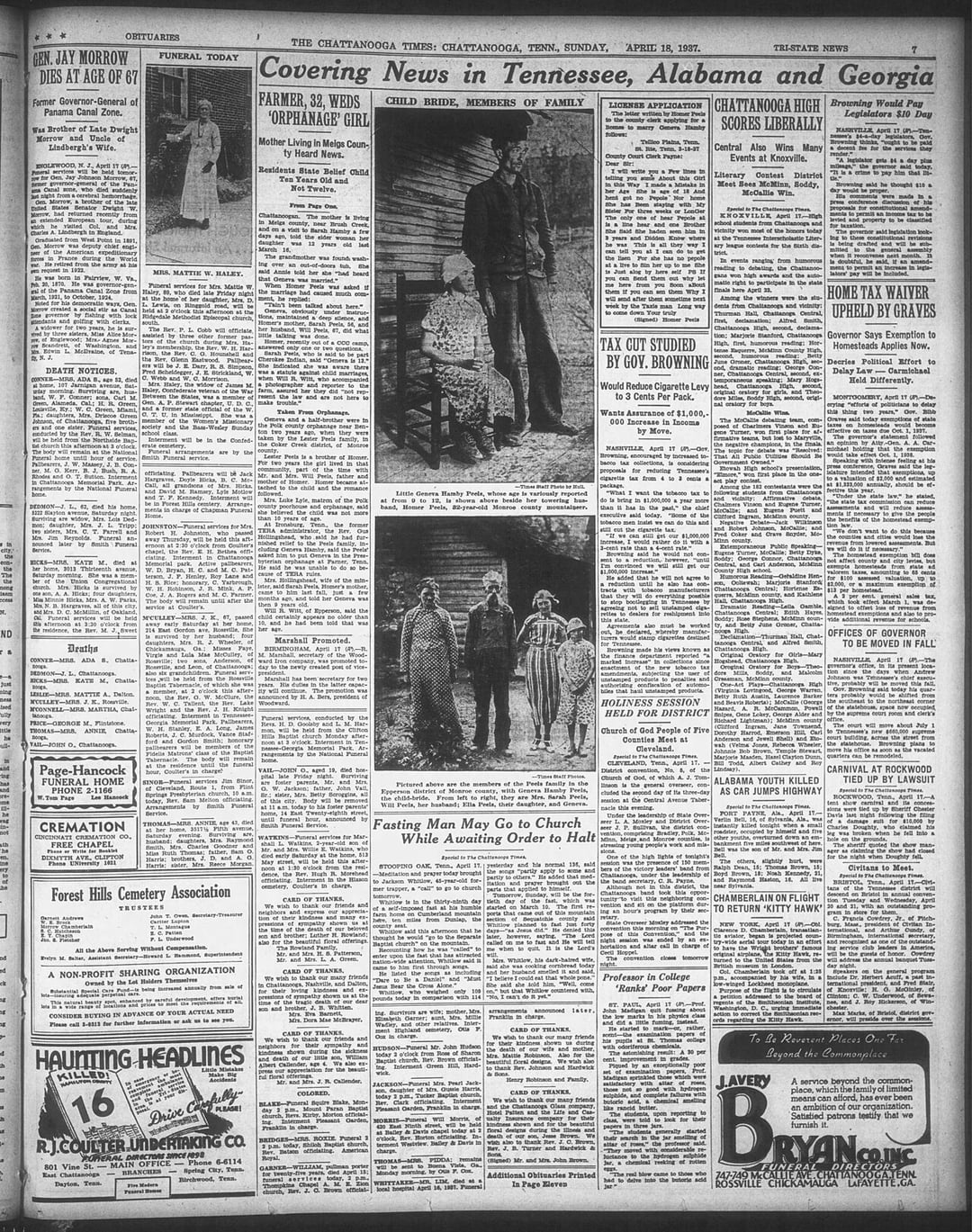
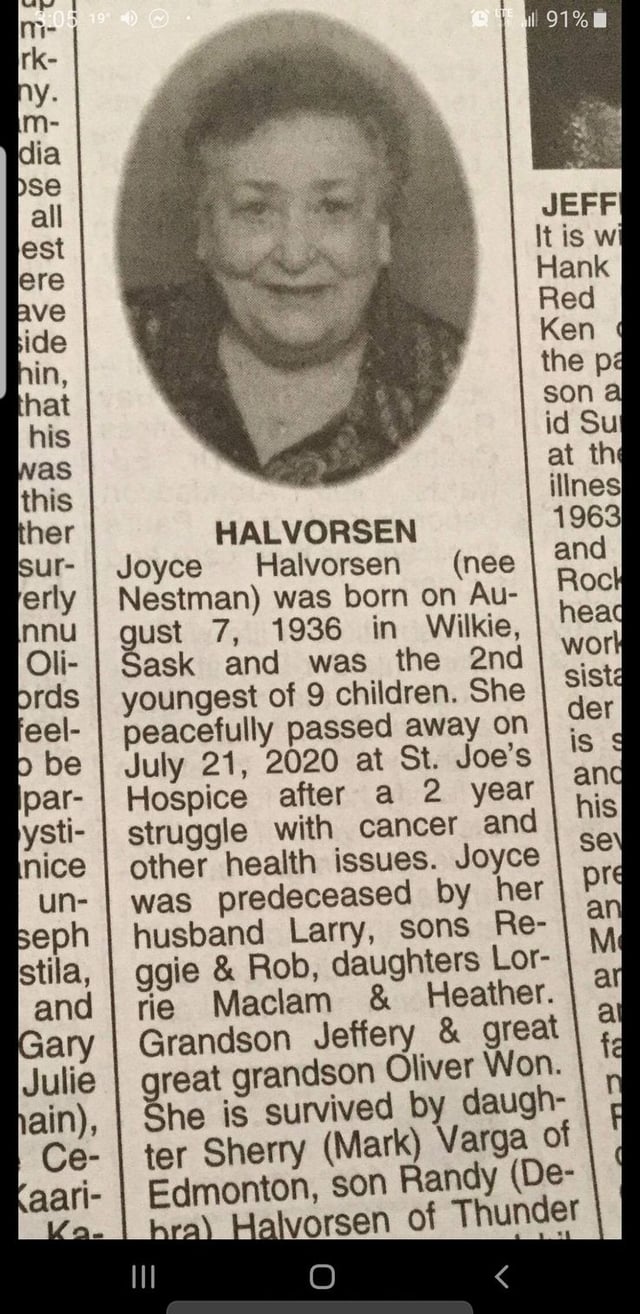
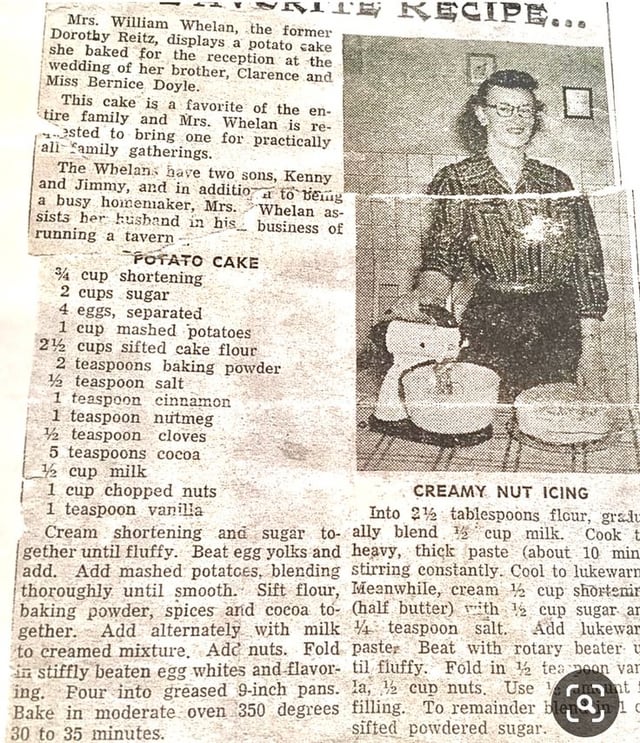
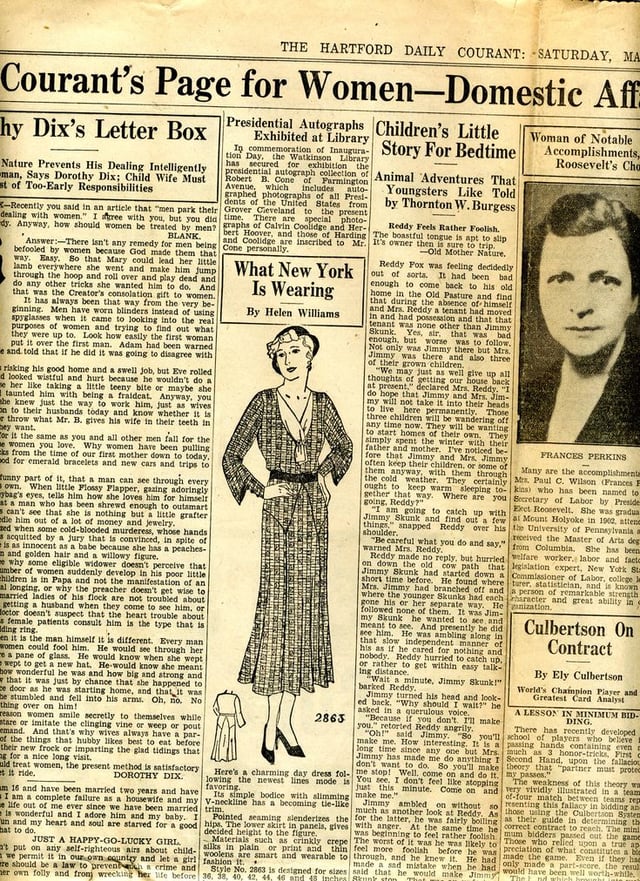
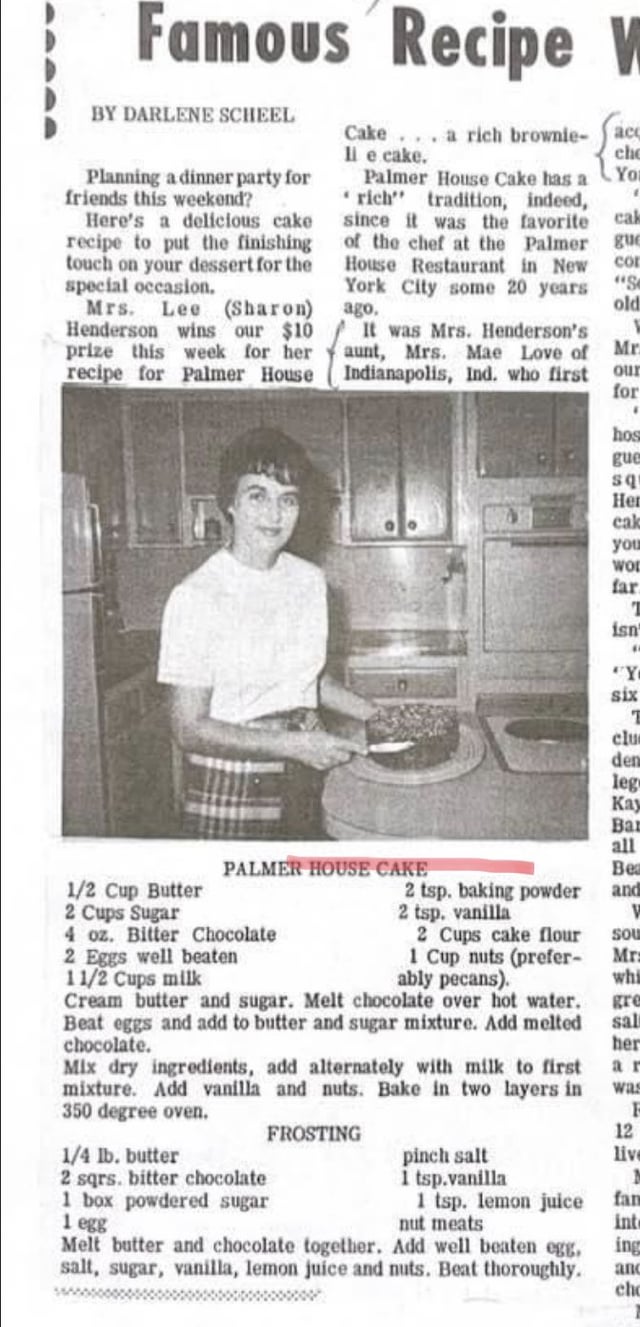
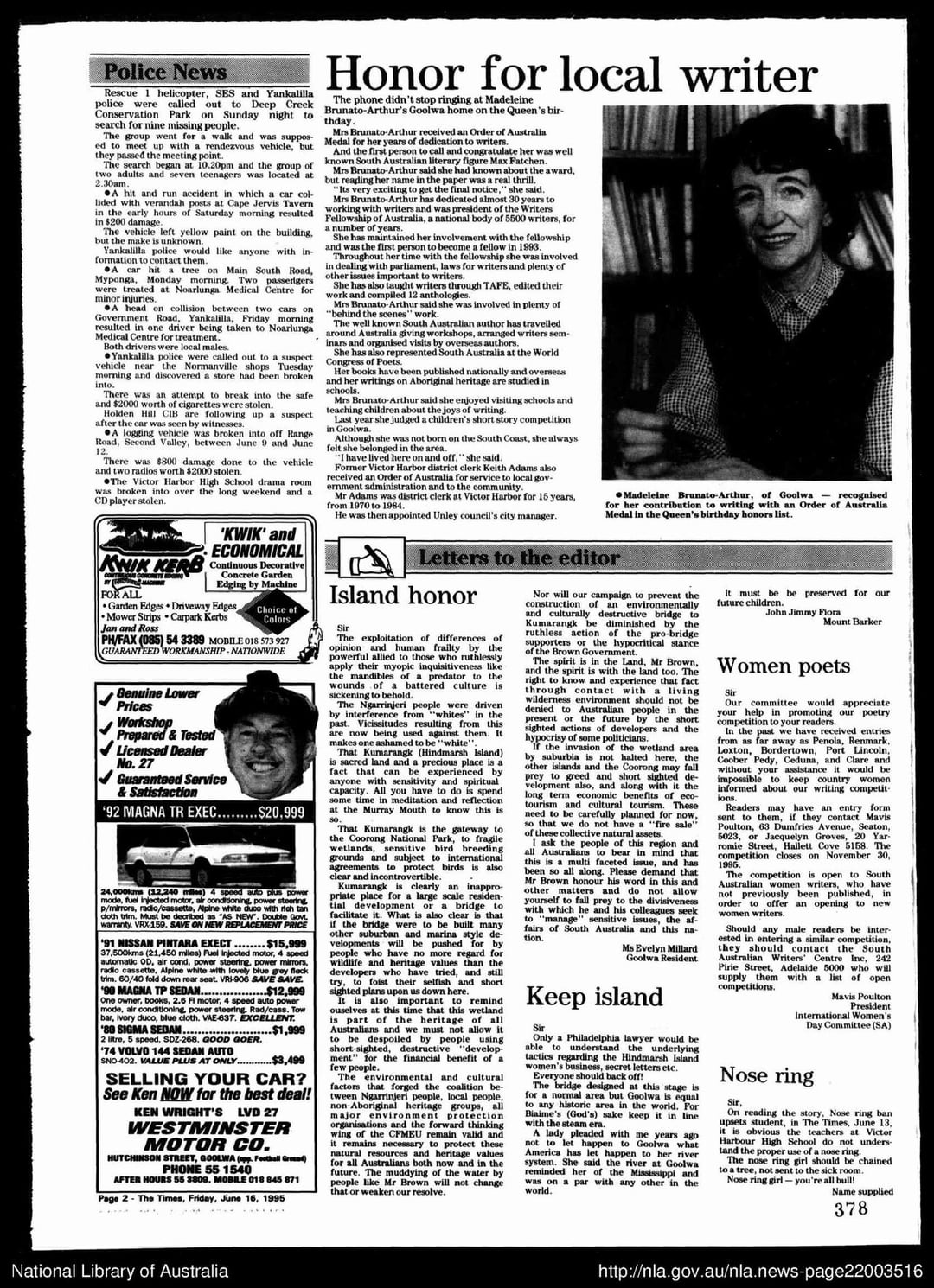
But I've seen an interesting thing: deviations from the norm in newspapers. They go in three directions: "Mrs. Christina Maltby", "Mrs. Finnegan Maltby (Christina)/Mrs. Finnegan (Christina) Maltby", and "the former Christina Stewart/née Stewart". Why would this be? Did the woman ask to be called that? Or was that just the writer taking liberties? It's especially confusing when you have multiple Mrs. being called different things, which happened a surprising amount. The first paper you'll need to zoom in on but it has the best example of different naming conventions used in tandem with each other.
Second question, is, when did newspapers (and broadcasts) start publicly saying a wife's first name? Many say the 70s but there were still articles at least that didn't say her first name when she married. So when did this REALLY start becoming seen as gross, to the point where the rule of thumb went from the "call and assume a wife will go by her husband's name" that was taught in those old life advice and manners books, and some news guides (aka propaganda). And did the speed of this change depend on what country you were in (i.e. did British, Irish, Scottish and Australian/New Zealand papers change slower than American/Canadian)?
Third question: How did most news do this? Did they actually consult and ask the woman what she wanted them to say? Or did they just assume? I imagine most of the time when she's mentioned but there isn't an actual excerpt if an interview with her, they just call her that by default.
by AlboGreece