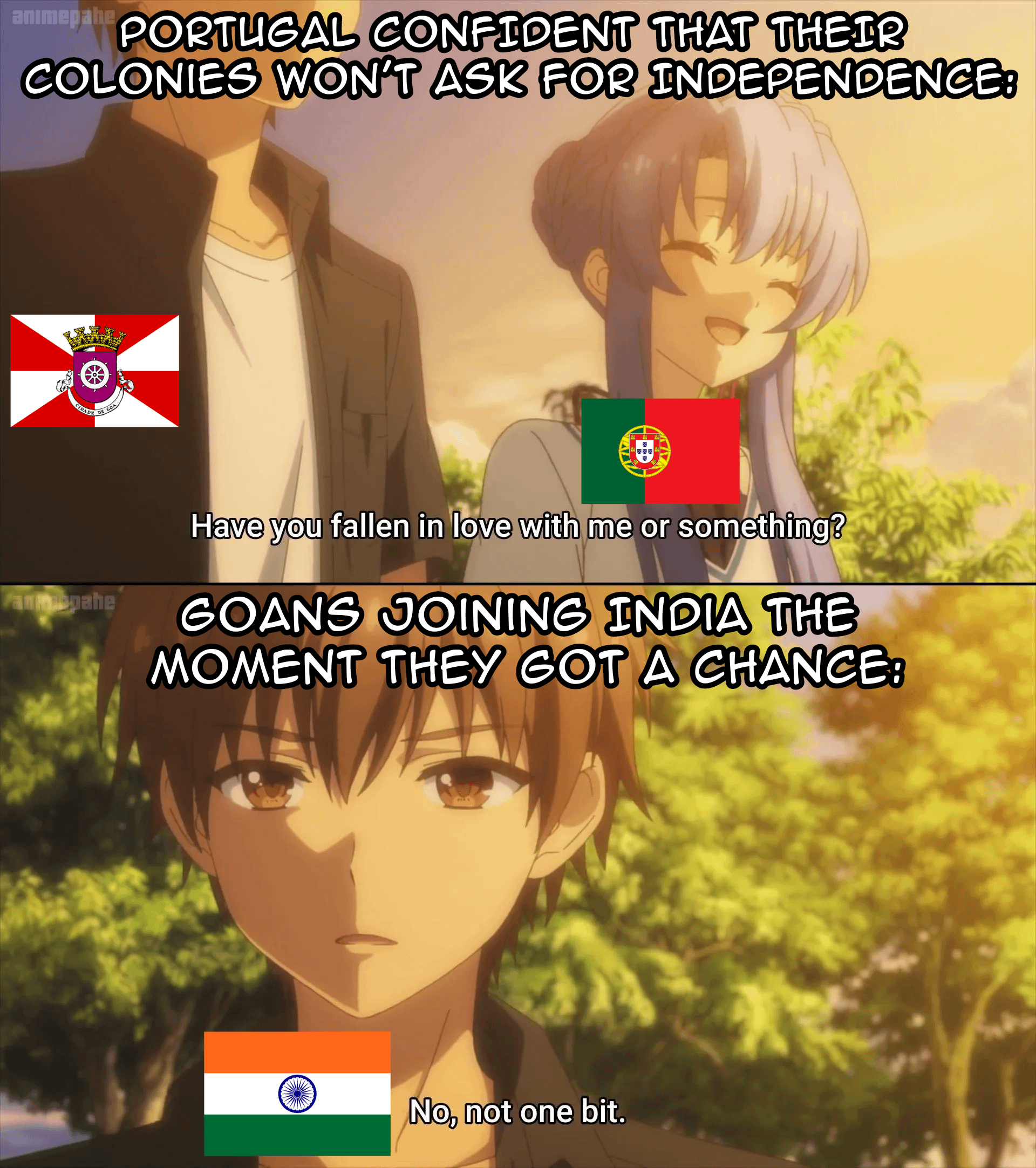
Portugal’s surprise at the Goan population’s support for integration with India resulted primarily from ideological, administrative, and epistemic failures within the Estado Novo regime. In 1951, Portugal officially reclassified Goa as an “overseas province” rather than a colony. This legal redefinition allowed Lisbon to deny that Goa was subject to global decolonization norms and encouraged the belief that Goans were politically Portuguese rather than colonized subjects.
Portuguese policymakers were also strongly influenced by Lusotropicalism, an ideology that portrayed Portuguese colonialism as uniquely tolerant, racially integrative, and culturally harmonious. This perspective led officials to interpret the presence of Portuguese-speaking Catholic elites as evidence of broad loyalty to Portuguese rule. In doing so, they overlooked caste hierarchies, political exclusion, and economic inequalities that affected large sections of Goan society, particularly among Hindus and rural populations.
Portugal further relied heavily on elite intermediaries, especially Catholic bureaucrats and landowners, to assess public opinion. These groups were disproportionately represented in colonial institutions and often benefited materially from Portuguese rule. As a result, their relative loyalty was mistaken for general popular consent. Nationalist sentiments among rural communities, younger Goans, and Hindu social groups were consistently underreported or dismissed as insignificant.
Authoritarian censorship and surveillance under the Estado Novo compounded these misperceptions. Anti-colonial activism, pro-Indian writings, and dissenting political voices were suppressed, limiting the flow of accurate information to Lisbon. This repression reinforced the belief that opposition to Portuguese rule was minimal or externally manufactured by India rather than rooted within Goan society.
Finally, Portugal misread the post-1947 Indian state. While Portugal emphasized legal sovereignty and historical treaties, India framed Goa as an unresolved case of colonialism and aligned its claims with emerging international norms of self-determination. Portugal’s rigid legalism left it unprepared for India’s decisive military action in 1961, officially named Operation Vijay/Victory which liberated all of Portuguese held territories in the Indian subcontinent.
maliciousprime101 on
Man, how did the country that start the age of overseas colonialism came out of it the worst off compared to every other colonial power. Did Kojima write this?
pdsajo on
Portugal’s delusion even when the Indian forces had entered Goan territories and annexed it is quite funny to read for those who don’t know this piece of history. Lisbon ordered the Portuguese Governor to go Scorched Earth on Goa and destroy everything. Fortunately the governor was the saner person in the discussion and he disregarded it completely and surrendered unconditionally. He later described these orders as ‘a useless sacrifice’.
Portuguese in response to this surrender threw a hissy fit, declared mourning over Christmas and severed all diplomatic ties with India. Salazar even ordered a reward for capture of the commander of the first Indian troop which had entered Goa. In the following months, he continued to make radio broadcasts aimed at Goan population to create a resistance movement, despite zero signs shown for that by the locals.
The ex-governor was treated with hostilities on his return to Portugal, court martialled for not following the orders and expelled and sent into exile. All of these shenanigans continued for 13 years till 1974, the fall of the authoritarian regime and the new government finally recognised Goa’s independence and started to repair the ties with India.

4 Comments
Portugal’s surprise at the Goan population’s support for integration with India resulted primarily from ideological, administrative, and epistemic failures within the Estado Novo regime. In 1951, Portugal officially reclassified Goa as an “overseas province” rather than a colony. This legal redefinition allowed Lisbon to deny that Goa was subject to global decolonization norms and encouraged the belief that Goans were politically Portuguese rather than colonized subjects.
Portuguese policymakers were also strongly influenced by Lusotropicalism, an ideology that portrayed Portuguese colonialism as uniquely tolerant, racially integrative, and culturally harmonious. This perspective led officials to interpret the presence of Portuguese-speaking Catholic elites as evidence of broad loyalty to Portuguese rule. In doing so, they overlooked caste hierarchies, political exclusion, and economic inequalities that affected large sections of Goan society, particularly among Hindus and rural populations.
Portugal further relied heavily on elite intermediaries, especially Catholic bureaucrats and landowners, to assess public opinion. These groups were disproportionately represented in colonial institutions and often benefited materially from Portuguese rule. As a result, their relative loyalty was mistaken for general popular consent. Nationalist sentiments among rural communities, younger Goans, and Hindu social groups were consistently underreported or dismissed as insignificant.
Authoritarian censorship and surveillance under the Estado Novo compounded these misperceptions. Anti-colonial activism, pro-Indian writings, and dissenting political voices were suppressed, limiting the flow of accurate information to Lisbon. This repression reinforced the belief that opposition to Portuguese rule was minimal or externally manufactured by India rather than rooted within Goan society.
Finally, Portugal misread the post-1947 Indian state. While Portugal emphasized legal sovereignty and historical treaties, India framed Goa as an unresolved case of colonialism and aligned its claims with emerging international norms of self-determination. Portugal’s rigid legalism left it unprepared for India’s decisive military action in 1961, officially named Operation Vijay/Victory which liberated all of Portuguese held territories in the Indian subcontinent.
Man, how did the country that start the age of overseas colonialism came out of it the worst off compared to every other colonial power. Did Kojima write this?
Portugal’s delusion even when the Indian forces had entered Goan territories and annexed it is quite funny to read for those who don’t know this piece of history. Lisbon ordered the Portuguese Governor to go Scorched Earth on Goa and destroy everything. Fortunately the governor was the saner person in the discussion and he disregarded it completely and surrendered unconditionally. He later described these orders as ‘a useless sacrifice’.
Portuguese in response to this surrender threw a hissy fit, declared mourning over Christmas and severed all diplomatic ties with India. Salazar even ordered a reward for capture of the commander of the first Indian troop which had entered Goa. In the following months, he continued to make radio broadcasts aimed at Goan population to create a resistance movement, despite zero signs shown for that by the locals.
The ex-governor was treated with hostilities on his return to Portugal, court martialled for not following the orders and expelled and sent into exile. All of these shenanigans continued for 13 years till 1974, the fall of the authoritarian regime and the new government finally recognised Goa’s independence and started to repair the ties with India.
r/IberianHistoryMemes